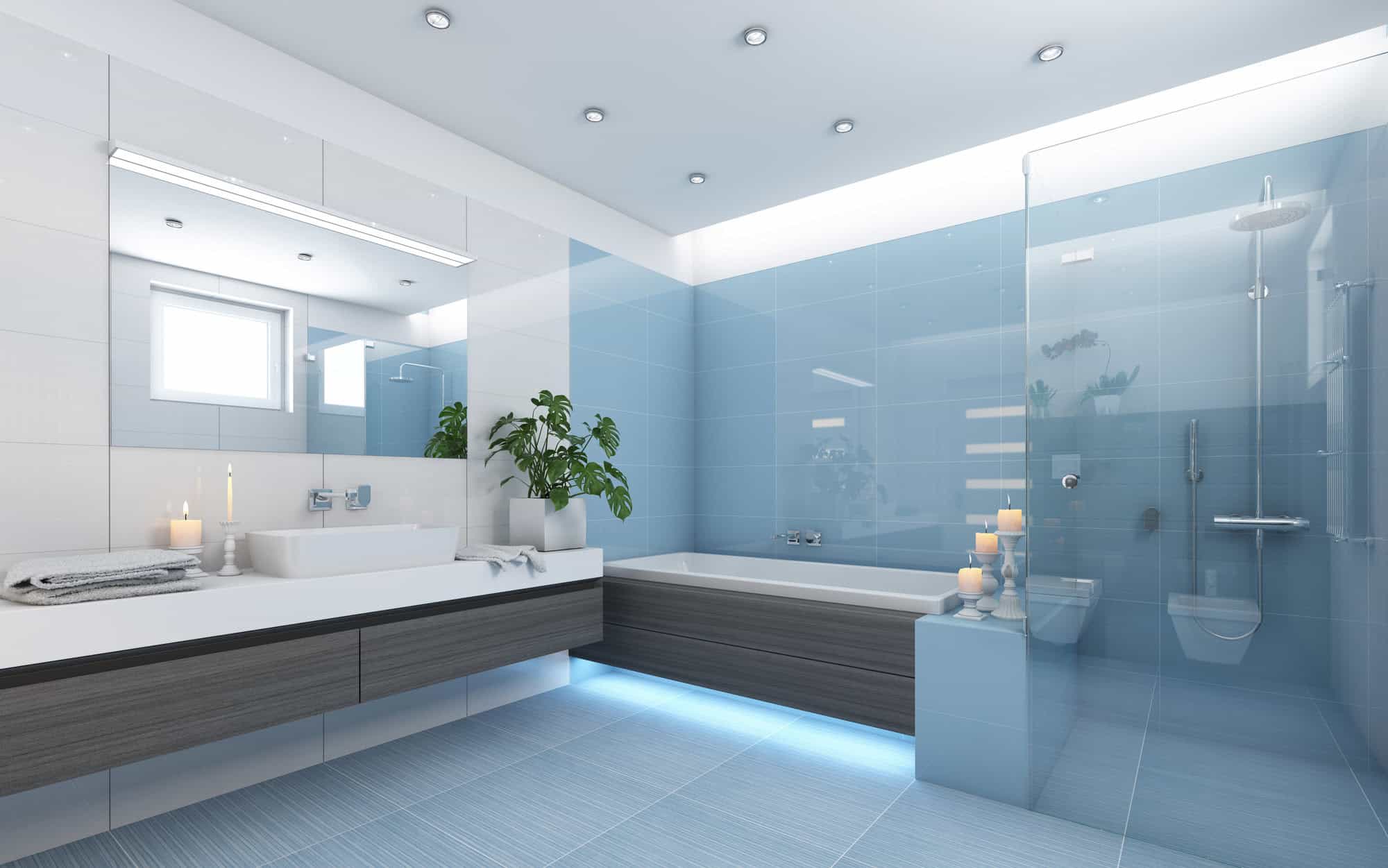
Your bathroom walls take a beating every single day. Steam from hot showers, splashing water, and limited airflow make it one of the toughest rooms in the house for paint to survive. If you have been searching for the best paint for bathrooms with high humidity, you already know that standard interior paint is not up to the job. Choosing the right moisture-resistant paint for bathrooms can mean the difference between walls that look clean for years and walls that peel, bubble, and grow mildew within months
Why Bathrooms Need Moisture-Resistant Paint
Most rooms in your home are relatively forgiving when it comes to paint. A hallway, a bedroom, a living room- they all have decent airflow and dry out quickly. Bathrooms are a different situation. Bathrooms deal with daily steam, splashes, temperature swings, and poor airflow that can break down ordinary paint much faster than homeowners expect.
When standard paint absorbs that moisture repeatedly, the coating softens, loses adhesion, and eventually peels away from the wall. Once peeling starts, mold and mildew spores find a perfect place to settle in behind the paint film. Over time, humidity penetrates standard wall coatings, leading to peeling, staining, mildew growth, and premature failure.
The health angle matters too. The EPA recommends reducing indoor humidity to 30 to 60 percent to decrease mold growth by venting bathrooms to the outside, using exhaust fans, and increasing ventilation. Your bathroom fan helps, but the paint you choose is the other half of the equation. Modern waterborne acrylic paints now offer impressive moisture-blocking capabilities and antimicrobial properties without the harsh fumes that older oil-based options used to require.
What Type of Paint for Bathroom: Water-Based vs Oil-Based
If you have been wondering what type of paint for bathrooms works best, here is the clear answer: water-based acrylic latex is the standard choice for bathroom walls and ceilings in 2026.
For standard bathroom walls, what you want is a high-quality acrylic latex paint with moisture resistance, stain resistance, and mildew-resistant additives. These formulas are easy to apply, dry quickly, clean up with soap and water, and hold up well under repeated scrubbing.
Oil-based paints were once popular in bathrooms because of their hard, smooth finish. They do repel moisture well, but they come with real downsides. They release strong fumes, take much longer to dry, yellow over time on lighter colors, and require solvents for cleanup. For most Virginia homeowners painting a primary bath or a powder room, water-based acrylic is the practical, durable option.
The one case where oil-based formulas still get used is on trim, doors, and windows within the bathroom, where their hardness and leveling properties make them worthwhile. For more detail on how these two types compare across all interior applications, check out our post on oil-based paints vs water-based.
Best Paint Finish for Bathroom: Satin vs Semi-Gloss
The finish you choose controls how much moisture the paint surface absorbs. This is not a small detail. The sheen level of your paint matters more than most people realize when it comes to bathroom moisture resistance. Flat or matte paint absorbs moisture, stains easily, and promotes mold growth on the paint film.
Here is how the four most common finishes stack up:
Mold spores attach easily to rough surfaces, so a smooth finish is better. Consumer Reports recommends a satin or semi-gloss finish because it’s less likely to trap mold and is easier to clean than flat or eggshell finishes.
For more guidance on pairing finishes with your home’s specific conditions, our post on durable paint finishes for changing seasons in Northern Virginia covers that in depth.
The Best Paint Brands for Bathrooms with High Humidity
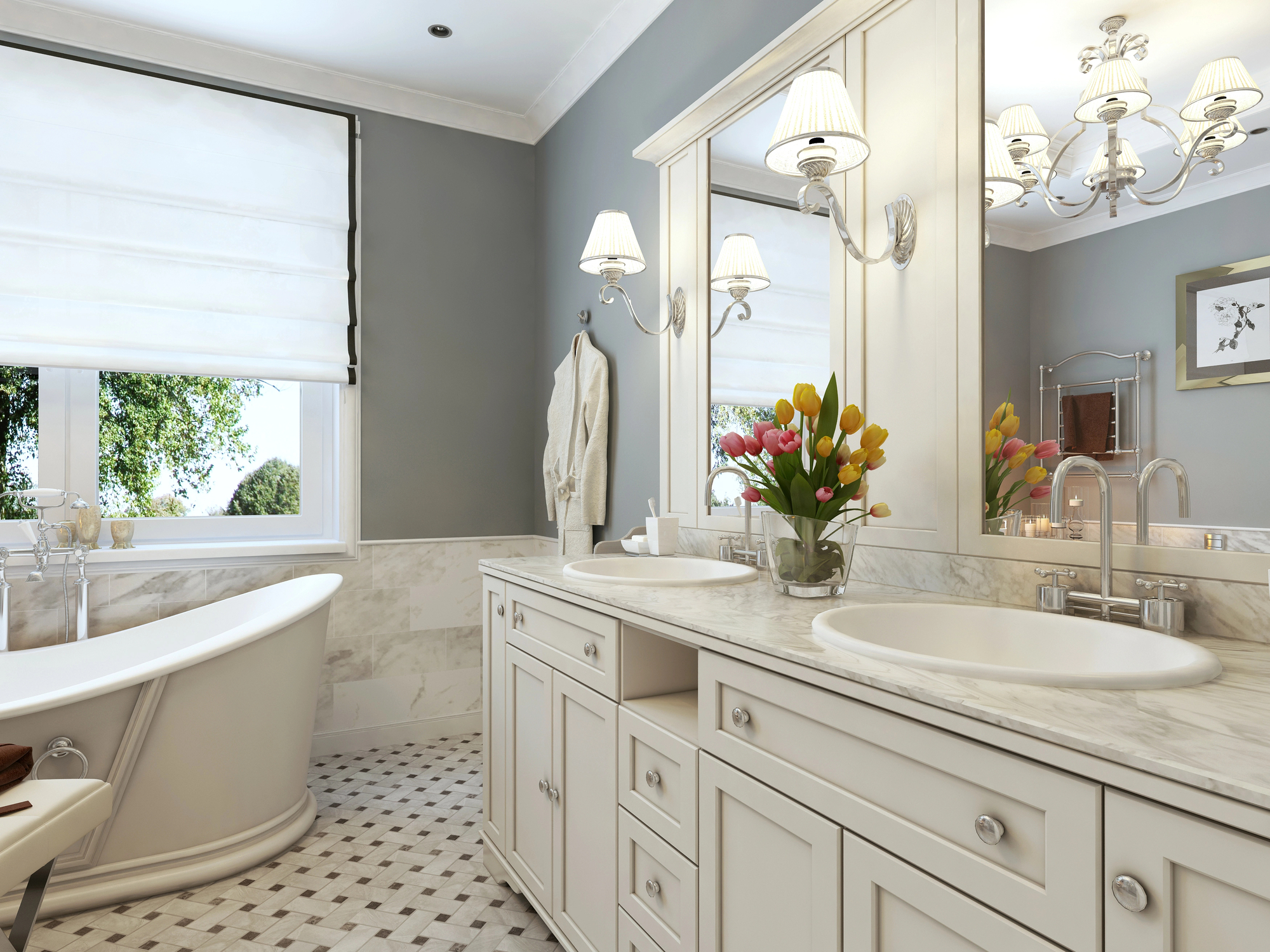
Here is a practical look at the products contractors and homeowners use most often when choosing the best paint for high-humidity bathrooms. Each has its strengths depending on your budget and the level of moisture your bathroom deals with daily.
Bathroom Paint Comparison Table
| Brand and Product | Price per Gallon | Best Finish for Walls | Mold Protection | Best For |
|---|---|---|---|---|
| Benjamin Moore Aura Bath and Spa | $70 to $80 | Matte to semi-gloss | Built-in mildewcide | Primary baths, spa-style rooms |
| Sherwin-Williams Duration Home | $75 to $90 | Satin | Moisture-resistant film | High-humidity family baths |
| Sherwin-Williams Emerald Interior | $75 to $95 | Satin to semi-gloss | Antimicrobial film | Whole-bath premium finish |
| Behr Premium Plus Ultra Kitchen and Bath | $35 to $40 | Satin, semi-gloss | Mildew-resistant film | Budget-friendly DIY baths |
| PPG Timeless Interior | $45 to $55 | Satin to semi-gloss | Mildew-resistant additives | Mid-range family bathrooms |
| Zinsser Perma-White | $30 to $40 | Satin, semi-gloss | 5-year mildew guarantee | Budget pick, bathrooms with history of mildew |
Mold-Resistant Paint vs Moisture-Resistant Paint: What Is the Difference?
These two terms are used interchangeably, but they refer to different things.
Here is the critical point that many homeowners miss: anti-mold paint does not kill mold. It inhibits growth on a clean surface.
Painting straight over live mold is the most common reason mold comes back. If you have visible mold on your bathroom walls before painting, that needs to be addressed and treated before any new coat of paint goes on. A mold-killing primer like Zinsser Mold Killing Primer or KILZ Mold and Mildew Primer is the right first step in that situation.
Tips to Prevent Peeling and Mildew After Painting
Choosing the best paint for bathrooms with high humidity is step one. How you maintain the space afterward determines how long that paint job lasts.
Common Mistakes to Avoid When Painting a Humid Bathroom
FAQ: Best Paint for Bathrooms with High Humidity