If you manage a commercial property, you have likely asked yourself about commercial repaint vs touch-up cost. You may also be talking with commercial interior painters to decide what makes the most sense for your building and your budget. The right choice can save you thousands of dollars—or cost you more in the long run.
Paint does more than add color. It protects your building. It shapes how tenants and customers see your brand. And it affects how long your surfaces last. So when the paint starts to fade, chip, or peel, you have a big decision to make.
Should you schedule simple touch-ups? Or is it time for a full repaint?
In this guide, we will break down the real costs, the pros and cons, and how to decide what is best for your commercial property.
Key Takeaways:
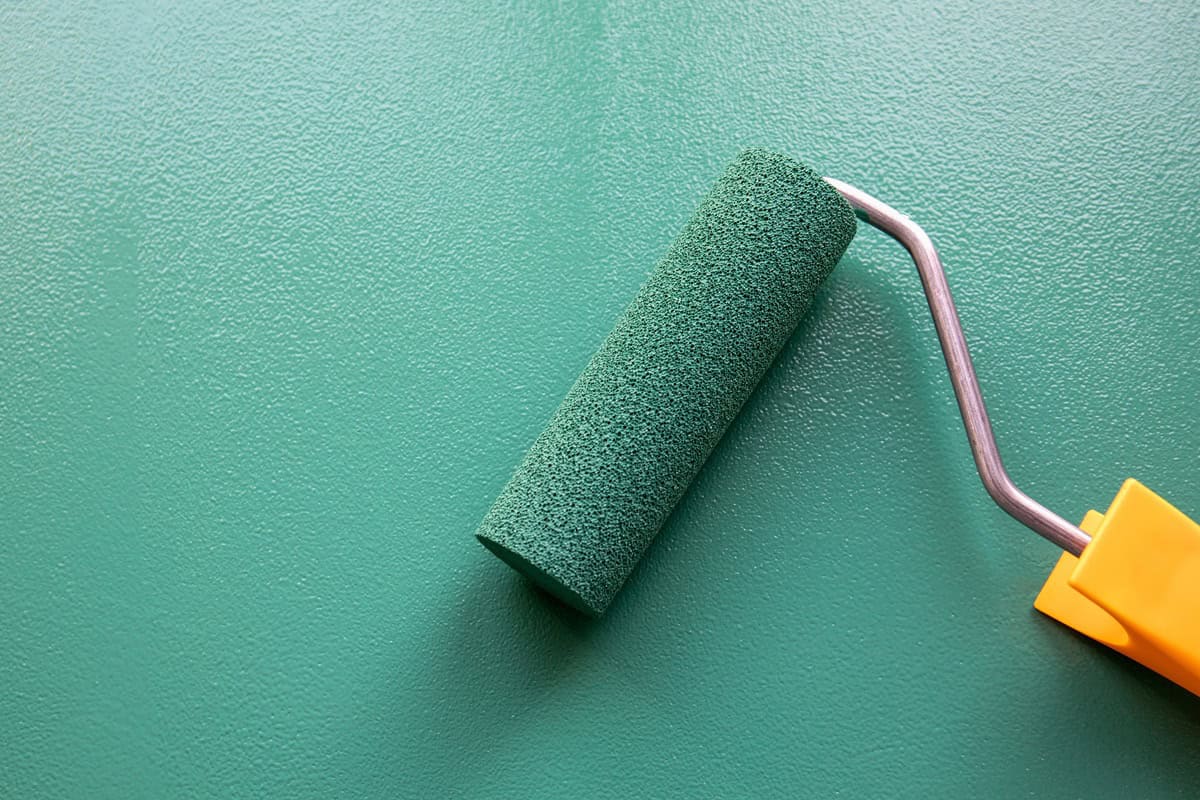
What Is a Paint Touch-Up?
A paint touch-up fixes small problem areas without repainting the whole space. This may include:
- Covering scuffs and marks
- Fixing chipped paint
- Repairing small peeling spots
- Refreshing high-traffic walls
Touch-ups work best when the rest of the paint is still in good shape. The color must still match. The finish must still look clean and even.
For example, if a hallway has a few dents from carts or equipment, a quick repair and repaint in those spots may solve the problem.
Pros of Touch-Ups
- Lower upfront cost
- Faster completion time
- Less disruption to tenants or staff
- Good for minor cosmetic issues
Cons of Touch-Ups
- May not match perfectly due to fading
- Can look patchy if overused
- May need to be repeated often
- Does not fix deeper paint failure
What Is a Full Repaint?
A full repaint means painting entire walls, floors, ceilings, or exterior surfaces. It often includes surface prep like sanding, patching, priming, and sealing before the new paint goes on.
This approach gives your building a fresh start. It creates a uniform look. It also protects surfaces from moisture, rust, and wear.
Pros of a Full Repaint
- Clean, consistent appearance
- Longer-lasting results
- Stronger protection for surfaces
- Better impression for tenants and clients
Cons of a Full Repaint
- Higher upfront cost
- More labor and materials
- Longer project timeline
- Possible business disruption
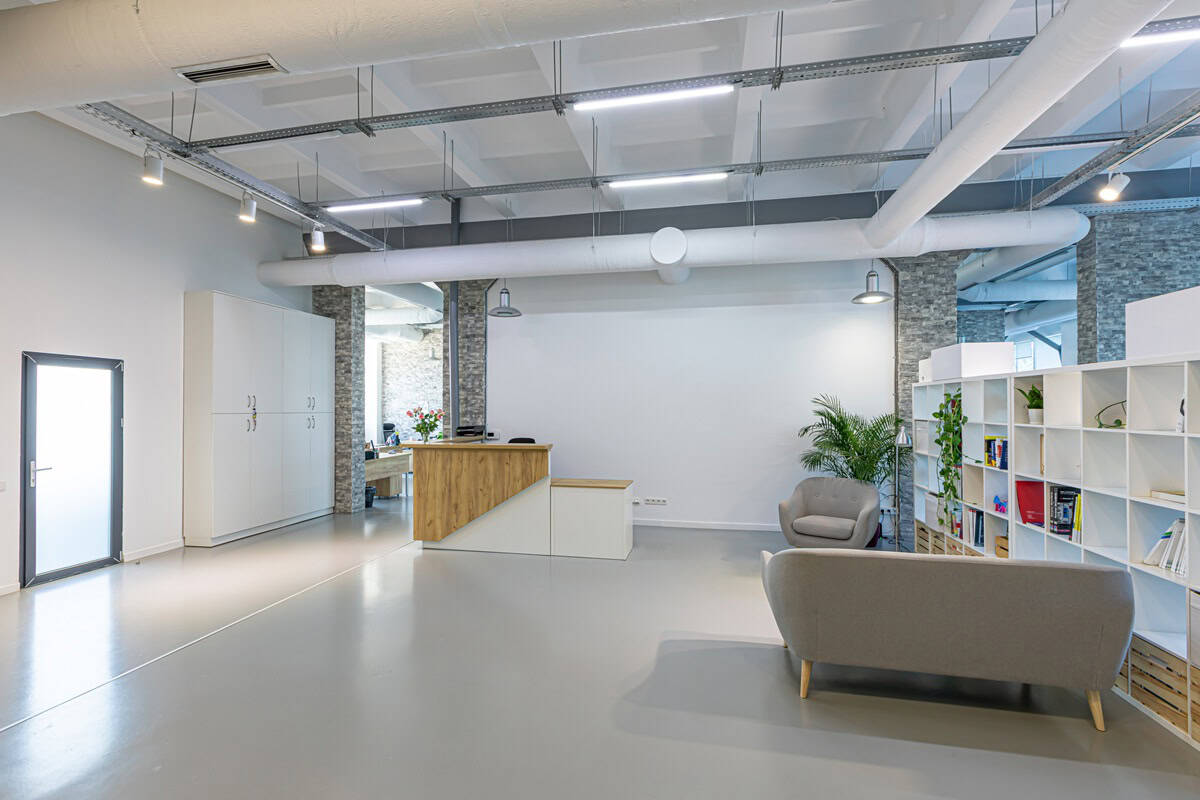
Breaking Down Commercial Repaint vs Touch-Up Cost
Now let’s look at the numbers:
1. Upfront Costs
Touch-ups usually cost much less at first. You are paying for fewer materials and fewer labor hours.
A full repaint requires more paint, more prep work, and more labor. This makes it more expensive in the short term.
But cost is not just about today. It is also about what happens next year—and the year after.
2. Long-Term Value
If your paint is already 7 to 10 years old, touch-ups may only delay the need for a full repaint. You might spend money now and still pay for a full repaint soon.
In that case, touch-ups can actually cost more over time.
A full repaint often lasts 5 to 10 years, depending on traffic and environment. That means fewer service calls and fewer disruptions.
3. Maintenance Frequency
Buildings with heavy foot traffic, equipment movement, or frequent cleaning may need constant touch-ups. These repeated visits add up.
If you are calling painters every few months, it may be time to compare the annual cost of touch-ups to the one-time cost of repainting.
When Touch-Ups Make Sense
Touch-ups are a smart choice when:
- The paint job is less than 3 to 5 years old.
- Damage is small and limited to certain areas.
- The color has not faded.
- You need a quick fix before an inspection or tenant visit.
For example, if a tenant just moved out and left minor marks on the walls, touch-ups can prepare the space for the next tenant without a major investment.
When a Full Repaint Is the Better Investment
A full repaint is usually better when:
- Paint is fading or yellowing.
- There are many chipped or peeling areas.
- Moisture damage is present.
- Brand colors have changed.
- You are preparing to sell or refinance the property.
A fresh coat of paint can increase perceived value. It can also help attract higher-quality tenants. In some cases, the improved look alone justifies the cost.
Interior vs. Exterior Considerations
The answer to commercial repaint vs touch-up cost also depends on location.
Interior Spaces
Interior walls often face scuffs, scratches, and wear. Offices, retail stores, medical facilities, and warehouses all have different needs.
If damage is mostly cosmetic, touch-ups may work. But if walls look dull or uneven across large areas, repainting creates a more professional image.
Professional commercial interior painters can assess lighting, traffic flow, and paint type to recommend the best option.
Exterior Surfaces
Exterior paint protects your building from sun, rain, and temperature changes. If exterior paint is cracking or peeling, it may allow water damage.
In this case, touch-ups may not fix the real problem. A full repaint with proper prep can prevent costly structural repairs later.
How to Make the Right Decision
Here are four simple steps to guide you:
Step 1: Inspect the Condition
Start with a full walkthrough of your property, both inside and outside. Do not rush this step. Bring a notepad or use your phone to document what you see.
Look closely for:
- Peeling or bubbling paint
- Faded or uneven color
- Water stains or discoloration
- Cracks in caulk or seams
- Rust stains on metal surfaces
- Scuff marks in high-traffic areas
Pay special attention to entryways, hallways, restrooms, loading docks, and tenant suites. These areas wear down faster.
Take clear photos. This gives you proof of the condition today. It also helps when comparing quotes from contractors. A careful inspection helps you see whether damage is minor and isolated—or spread across large areas.
Step 2: Review the Age of the Paint
Next, find out when the last full repaint was completed. Check maintenance records, invoices, or ask previous management if needed.
Most commercial paint jobs last:
- 5 to 7 years for high-traffic interiors
- 7 to 10 years for standard office interiors
- 5 to 10 years for exterior surfaces, depending on climate
If your paint is nearing the end of its typical lifespan, touch-ups may only delay the inevitable. Older paint is more likely to fade, chip, and fail in multiple spots. In that case, investing in a full repaint may reduce repeat spending.
If the paint is still fairly new and holding up well, targeted touch-ups may be the smarter move.
Step 3: Calculate Ongoing Maintenance Costs
Now look at your numbers. Review maintenance invoices from the past two to three years.
Ask yourself:
- How often have we scheduled touch-ups?
- How much did each visit cost?
- Were there emergency repairs due to peeling or damage?
- Did touch-ups solve the issue—or did problems return?
Add up the total amount spent on painting-related repairs. Then request a full repaint estimate for comparison.
If you are spending a large amount every year on small fixes, a full repaint may cost less over a five-year period. This step turns the decision from a guess into a financial comparison.
Step 4: Think About Business Goals
Finally, step back and think about your bigger goals.
Are you:
- Trying to attract higher-quality tenants?
- Preparing the building for sale or refinance?
- Updating your brand colors?
- Competing with newer properties nearby?
Fresh paint sends a strong message. It shows that the property is cared for and professionally managed. In competitive markets, appearance matters.
If your goal is long-term growth, higher lease rates, or improved brand image, a full repaint may support those goals better than repeated touch-ups.
When you align your paint decision with your business strategy, you make a smarter investment.
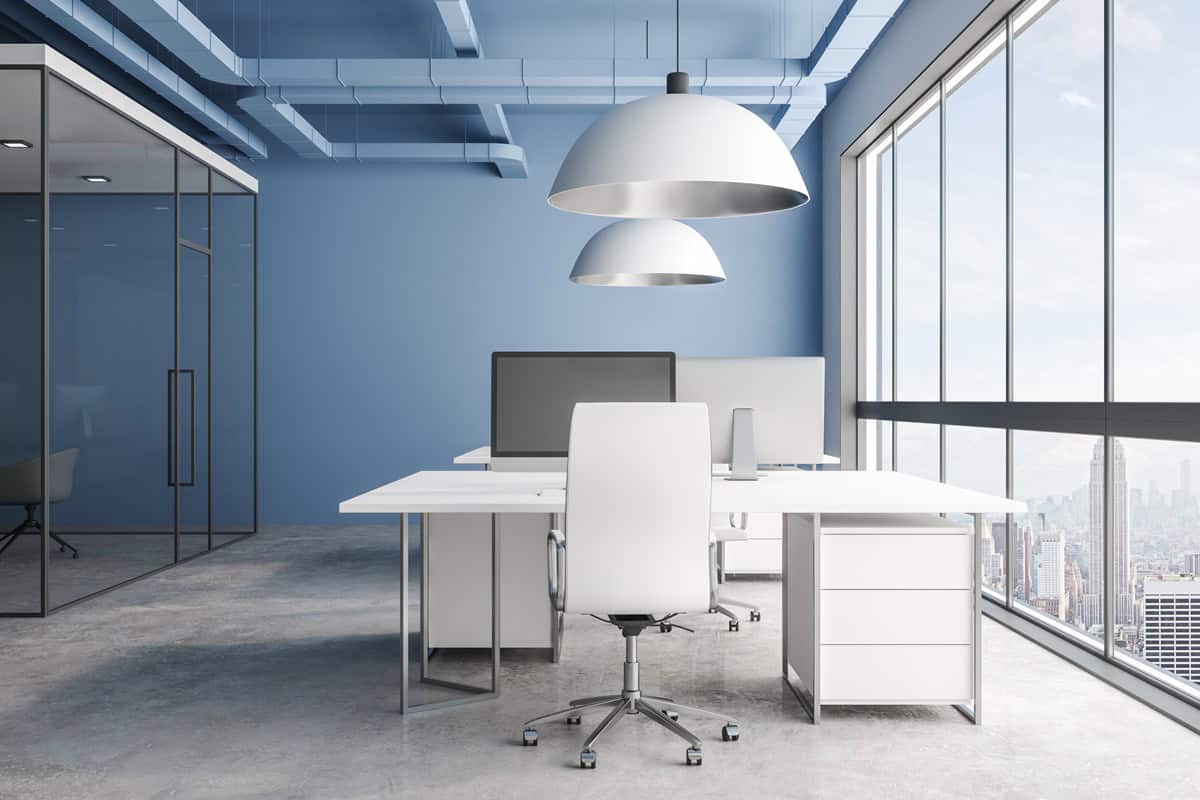
The Hidden Costs Many Owners Miss
Some commercial building owners focus only on the quote in front of them. But there are hidden costs to consider.
Tenant Dissatisfaction from Worn Spaces
Tenants notice peeling paint, stained walls, and faded colors. Even if the building is structurally sound, worn surfaces can make the space feel neglected.
When tenants feel that management does not invest in upkeep, trust can drop. Small cosmetic issues can turn into complaints. Over time, this can hurt renewal rates and tenant satisfaction scores.
A fresh, clean appearance shows pride in ownership. It helps tenants feel confident about staying long term.
Lost Leases Due to Poor Appearance
First impressions matter. Prospective tenants often judge a property within minutes of walking in.
If lobbies, hallways, or exterior walls look outdated or poorly maintained, prospects may choose a competing property. Even if your rates are competitive, appearance can tip the decision.
One lost lease can cost far more than a planned repaint. Investing in presentation can protect your occupancy rate and income stream.
Damage to Drywall or Siding from Delayed Repainting
Paint is not just cosmetic. It acts as a protective barrier.
When exterior paint cracks or peels, moisture can seep into siding, trim, or structural elements. Inside, damaged paint can expose drywall to humidity and wear.
Over time, this can lead to rot, mold, rust, or surface failure. Repairing structural damage costs far more than applying fresh paint on schedule.
Repeated Labor Charges for Frequent Touch-Ups
Touch-ups may seem affordable at first. But repeated service calls add up.
Each visit includes labor, setup time, and materials. If you schedule multiple touch-ups each year, the total cost can approach—or exceed—the price of a full repaint.
Frequent patchwork can also create an uneven look, which may require a full repaint anyway. Planning ahead reduces repeat labor charges and creates a more consistent finish.
Sometimes the cheapest option today becomes the most expensive choice later.
Creating a Smart Paint Plan
The most cost-effective approach is not choosing between touch-ups and repainting at random. It is having a plan.
A strong paint maintenance plan may include:
- Scheduled annual inspections
- Planned full repaints every 7 to 10 years
- Budgeted touch-ups for high-traffic areas
- Clear documentation of colors and finishes
This helps you avoid emergency projects and surprise expenses.
So, Which Is More Cost-Effective?
The real answer to commercial repaint vs touch-up cost depends on your building’s condition, age, and goals.
If your paint is still in good shape and damage is minor, touch-ups are likely the smarter short-term move.
If your paint is aging, fading, or failing in many areas, a full repaint often delivers better long-term value.
When in doubt, get a professional assessment. An experienced team can help you compare numbers, timelines, and long-term impact.
Ready to Protect and Refresh Your Property?
Your building’s appearance sends a message. Make sure it is the right one.
Whether you need strategic touch-ups or a complete repaint, the right plan saves money and protects your investment.
Contact Medias Painting LLC today at 540-210-1363 to schedule a walkthrough and get a clear, honest recommendation for your property. We will help you make the smartest choice for your budget and your building’s future.