Sun, rain, and humidity work on your siding every day of the year. The link between weather and exterior paint problems is closer than most homeowners expect. Paint that looked sharp two summers ago can fade, peel, or chalk while you go about your week. Around Stafford, VA hot, sticky summers and cold, damp winters speed that up. They give exterior paint problems plenty of room to show up early. None of it is random, though. Once you see what the weather does to the coating on your house, staying ahead of it gets simpler.
Key Takeaways:
Why Weather Is Behind Most Exterior Paint Problems
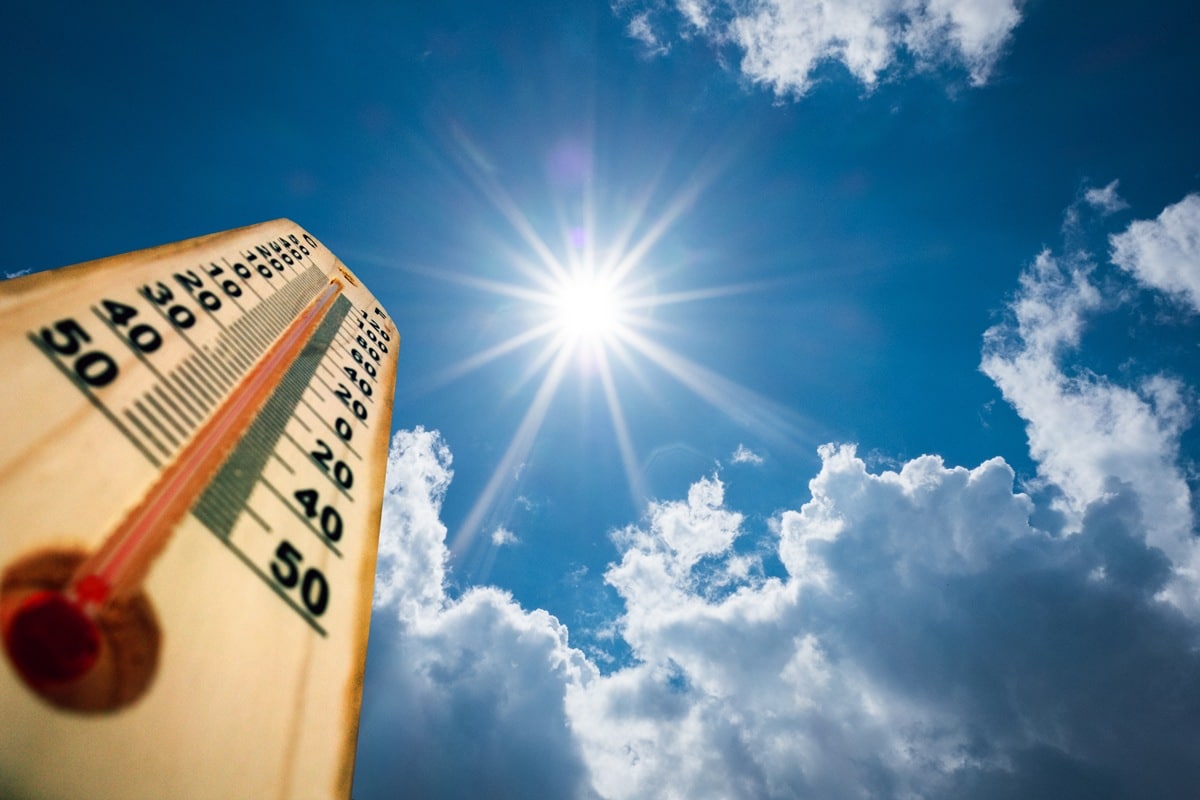
Many homeowners assume a paint job fails because someone used cheap paint or rushed the work. That happens. But it is rarely the whole story. Your siding sits outside through every heat wave, storm, and cold snap. That steady exposure is what most exterior paint problems trace back to.
Most exterior paint jobs hold up for about 5 to 10 years. Home repainting timelines show wood siding often needs fresh paint closer to every 3 to 7 years. Brick can stretch much longer. Where your home lands depends on how much sun and water each wall takes. South and west walls get hit hardest. That is why one side of a house can look tired while another still looks almost new. In a place like Stafford, walls face strong summer sun and plenty of rain. Both forces can show up on the same home. Knowing this helps you plan exterior painting work around real conditions, not guesswork.
How UV Rays Cause Fading and Chalking
Sunlight does more than warm your walls. Ultraviolet light slowly breaks the chemical bonds that hold paint together. That breakdown is the root of most UV damage to exterior paint. The first signs are quiet. You see a loss of color depth and a faint, powdery film called chalking. Run your hand across an older sunny wall, and you might pick up a light dusting of pigment. Heat adds to it as well. Walls warm up and cool down each day, so the paint film expands and contracts. That slow stress builds over the years.
Exterior paint fading shows up unevenly for a reason. Sherwin-Williams notes that shaded areas like the underside of eaves barely fade. Walls in full sun lose color far faster. Dark and bright shades, like deep blues and reds, fade soonest. They absorb more light. Lighter colors reflect more sun and hold their look longer. So if one wall looks washed out while the rest seems fine, UV damage to exterior paint is the likely cause. It is rarely a bad batch of paint.
How Moisture Leads to Paint Peeling and Blistering
Water is the other big force working against your coating. Moisture damage often looks more dramatic than exterior paint fading. When water gets under the paint film, the surface beneath swells. It dries, swells again, and the film loosens. Then it cracks and starts to let go. That cycle causes paint peeling and blistering on siding, trim, and eaves. Window edges and the bottoms of boards often show it first.
Sherwin-Williams explains how water slips beneath the film in several ways. Worn caulk, clogged gutters, leaky roofs, and siding set too close to the ground all let it in. Painting over a damp surface does the same. In humid weather, fresh latex paint hit by dew or rain too soon can blister. Blisters are simply pockets where the film has lifted. Left alone, paint peeling and blistering spreads. The bare wood underneath then soaks up even more moisture damage. Sealing gaps and moving water away from the house stops most of it.
What Ignoring Exterior Paint Problems Can Lead To
Paint is not only about looks. The coating is a barrier that keeps water out of your siding and trim. Most exterior paint problems start as small, fixable spots. When they go unaddressed, that barrier breaks down. The materials underneath are left open to the weather.
On wood, that means swelling, rot, and soft spots. Those cost far more to fix than a repaint. On any surface, a small peeling spot tends to grow once the edges lift. A worn-looking home can also leave a weaker impression on neighbors and buyers. The point is not to alarm you. It is to show that early action keeps a small project small. Homeowners who book an exterior repaint while issues are minor usually spend far less. Waiting until a wall fails costs more.
A Simple Plan for Exterior Paint Maintenance
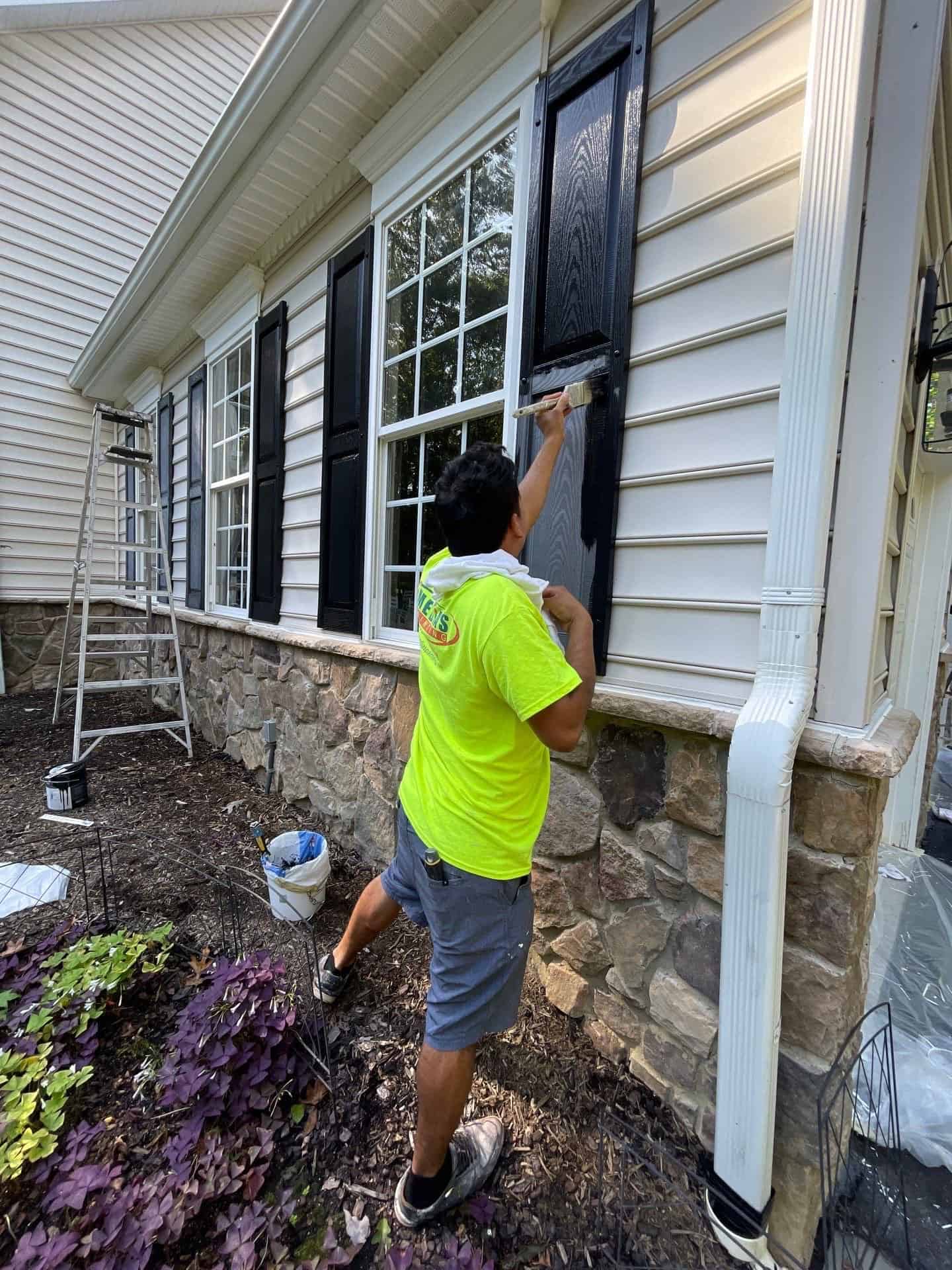
Most exterior paint problems are easy to handle when you catch them early. Staying ahead of weather damage does not take much. A little regular exterior paint maintenance goes a long way. Here is a straightforward approach:
Good exterior paint maintenance also means painting at the right time. Mild, dry weather lets paint cure properly. Painting in direct sun or onto a damp wall invites the same problems back.
Working With a Local Team That Knows Stafford Weather
There is a real difference between rolling on a coat of paint and protecting a home. At Medias Painting LLC, we plan every project around the sun and moisture each wall faces. That means careful surface prep. It means repairs where water sneaks in. And it means coatings picked for the side of the house they sit on.
We work on homes across the Stafford area. We have seen how local summers and winters treat siding and trim. Our crew walks your home with you. We point out where the weather is wearing the paint. Then we lay out clear options with honest pricing. You can see our full range of exterior painting services and how we handle each step.
Ready to Protect Your Home?
Weather will keep working on your siding whether or not anyone is watching. The sooner you spot the early signs, the more choices you have. You also spend less down the road. Is your paint fading, chalking, or peeling? A quick look from a professional can tell you where you stand. Call Medias Painting LLC today at 540-210-1363 to set up an exterior paint inspection. You will get a clear, written estimate for your home. We will walk you through what your walls need and what they do not. That way you can make a confident decision with no pressure.