You just searched for the cabinet painting steps involved in refinishing a kitchen, or maybe you typed in how long does it take to paint kitchen cabinets, hoping for a straight answer. Either way, you’re not alone. The hardest part of this project usually isn’t the paint. It’s not knowing what will happen to your kitchen over the next week. Homeowners tell me the same thing on almost every estimate: they can handle the cost and picking a color, but they hate not knowing what’s coming next. That’s the problem I want to solve here. Below is the honest, day-by-day version of what our cabinet painting services actually look like, from the first phone call to the last coat curing on your cabinet doors.
The Real Problem: It’s Not the Paint, It’s the Unknown
Most homeowners who call us have already decided their cabinets need attention. Grease stains near the stove, chipped edges around the handles, or a finish that just looks tired next to a newer countertop are usually the trigger. Those are easy problems to spot. The harder problem is the one nobody talks about during the estimate: not knowing how your kitchen will function while the work is happening, or whether the timeline you were quoted is realistic.
That uncertainty is exactly why “how long does it take” is the first question almost every homeowner asks, before they ask about color or finish. A clear answer up front changes how the entire project feels, even before the first drop cloth goes down.
How Long Does It Take to Paint Kitchen Cabinets, Really?
Here’s the direct answer: most kitchen cabinet painting projects take five to seven days from start to finish. That number tends to surprise homeowners who assumed a fresh coat of paint was a weekend project. It isn’t, and there’s a good reason why.
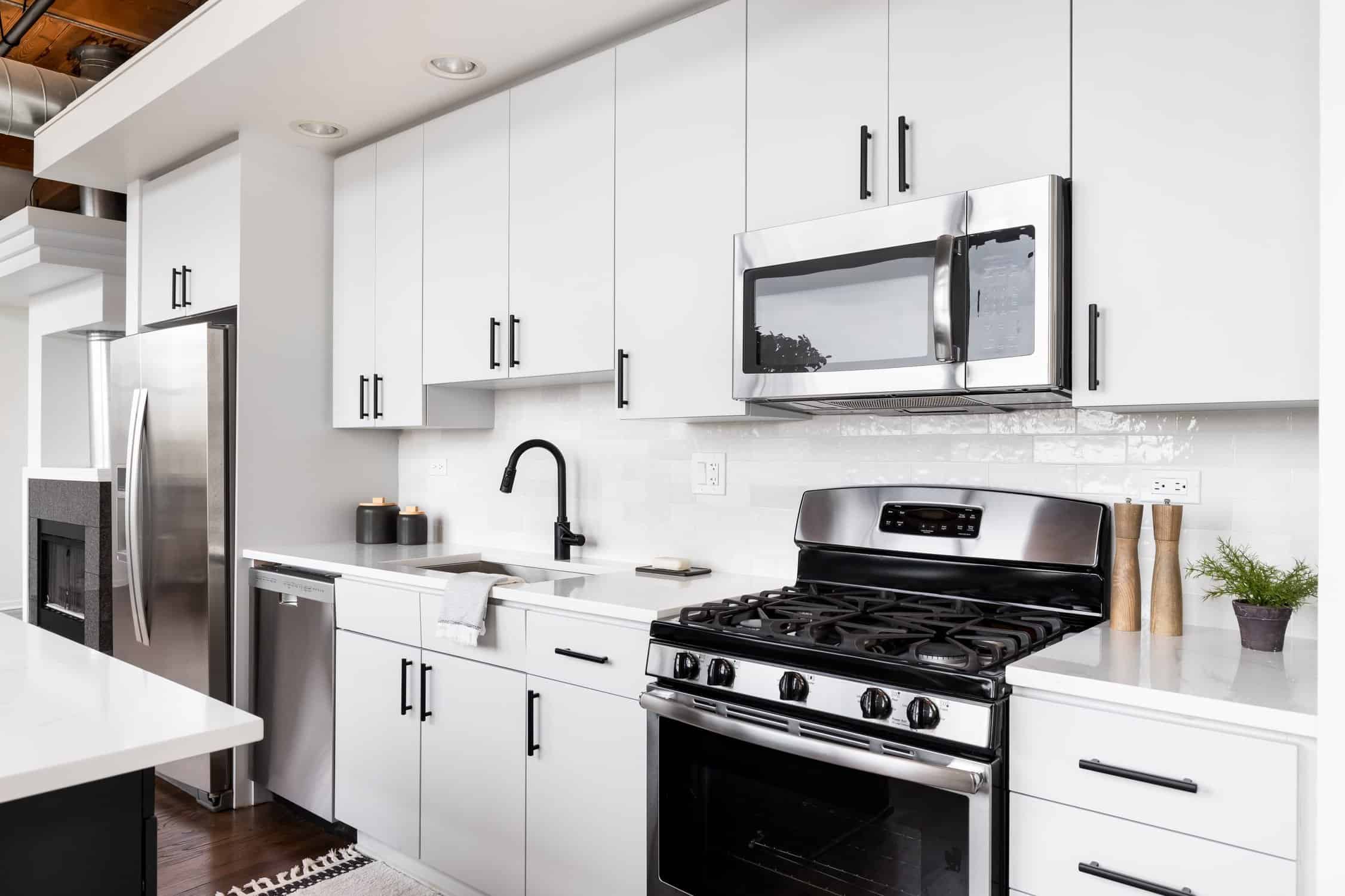
Doors and drawer fronts get removed from your kitchen first. They travel to a controlled space, where dust, temperature, and humidity can be managed properly. Each piece is degreased, sanded, primed, and then painted in multiple thin coats. Real drying time gets built in between every coat. Skipping that drying time is the top cause of cabinets that stay tacky for weeks or start chipping within the first year.
Here’s what a typical week looks like in practice.
| Day | What Happens |
|---|---|
| Day 1 | Doors, drawer fronts, and hardware are removed and labeled |
| Day 2 | All surfaces are degreased and sanded |
| Day 3 | Primer coat applied; drying time begins |
| Day 4 | Multiple finish coats applied, with drying time between each coat |
| Day 1 | Final coat cures; cabinet boxes and frames are painted in place |
| Day 6 | Doors and drawers are reinstalled, hardware reattached, final walkthrough |
The Cabinet Painting Steps Homeowners Don’t Expect
Most people picture painting day and stop there. The prep work is actually where the real durability of your cabinets gets decided, long before any paint goes on. Grease buildup near the stove, worn edges from years of hands opening the same drawer, and old caulk lines all have to be addressed first, or the new finish won’t hold up. This is also the part of our cabinet refinishing process that homeowners see the least, since most of it happens with the doors off site.
A few things are worth planning around before your crew arrives:
None of this means your kitchen becomes unusable for a week. Cabinet boxes and frames typically stay in place and are painted on-site, so your counters, sink, and appliances remain accessible. It’s the doors and drawer fronts, the pieces that take the most handling, that travel to a controlled space for finishing. That distinction alone answers most of the worry we hear on day one of a project.
Why the Timeline Matters More Than the Price Tag
It’s tempting to shop this project purely on cost. A lower price that skips drying time between coats almost always costs more later, once the finish starts chipping around the sink or stove.
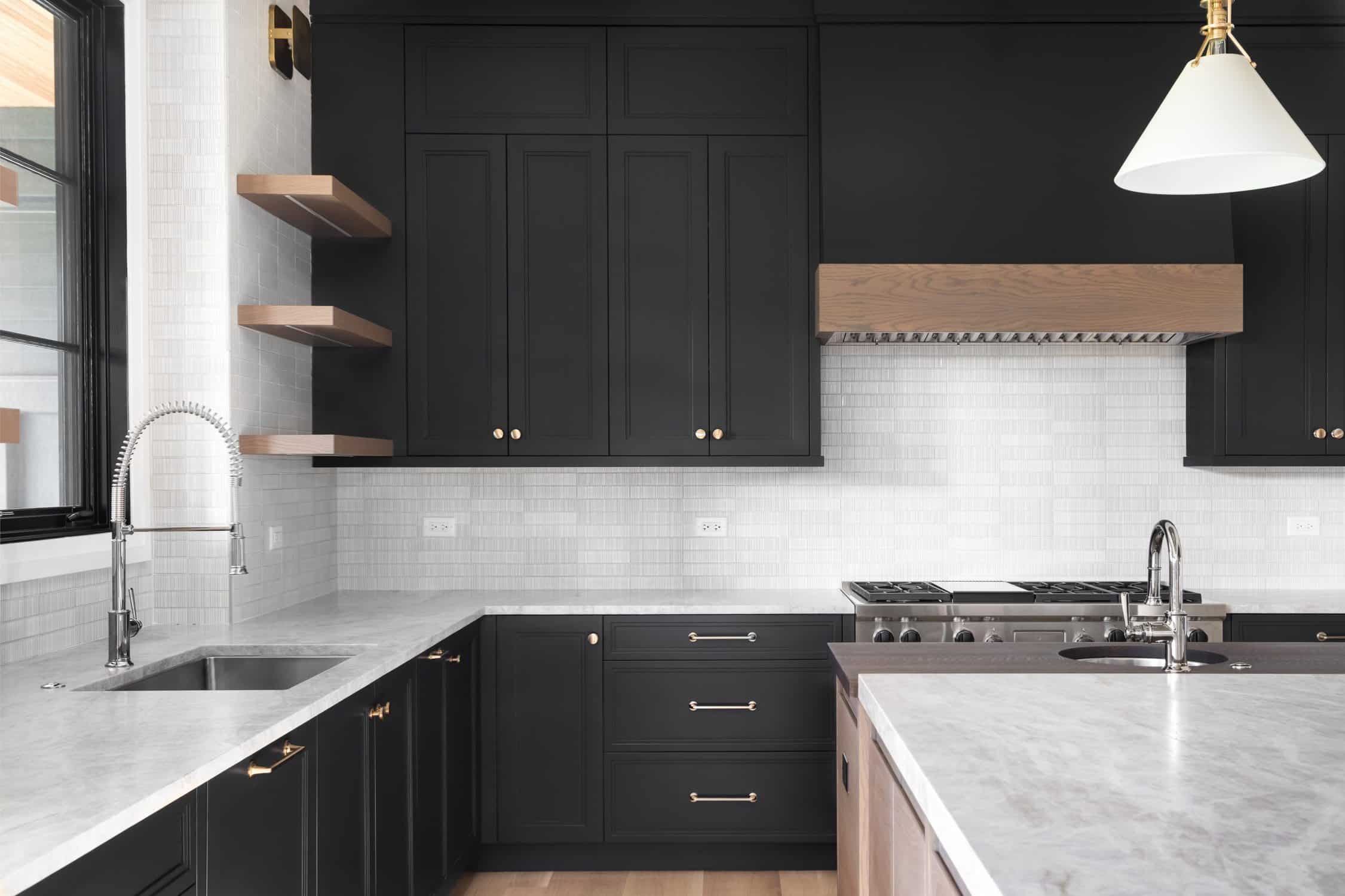
The Painting and Decorating Contractors of America points to proper surface preparation and full cure time as two of the biggest factors in how long a cabinet finish actually lasts (PDCA). A rushed 2 or 3-day cabinet job almost always means shortened dry times, and that works against your cabinets, not for them. They face daily handling. They face moisture from the sink and grease from the stove. A finish that hasn’t fully cured simply can’t withstand any of that.
Ask any contractor how many days they’re budgeting for drying and curing, not just painting. That single question tends to separate a realistic quote from an optimistic one. A cabinet door that goes back on its hinges too early can look perfect for the first few weeks. The coating simply hasn’t finished hardening yet, even though the surface feels dry to the touch, and that’s when early chipping shows up.
What Medias Painting LLC Does Differently
We’d rather tell you the real timeline up front than surprise you with delays halfway through. With more than 25 years of serving Virginia homeowners and over 30,000 completed projects, our crew has learned that a written, day-by-day plan matters as much as the paint itself.
We use Renner coatings, a product line built for surfaces that get touched, wiped, and used every single day. Every job is backed by a one-year labor warranty, and we communicate daily so you always know where the project stands instead of wondering. Most cabinet refinishing projects with us run $3,500 to $8,000, depending on cabinet count, door style, and finish choice. That pricing is laid out clearly during your estimate, before any work begins, not adjusted after the fact.