If you’ve been wondering about the best time to paint a house in Virginia, you’re not alone. Many homeowners also ask how winter affects exterior paint, especially after months of freezing temperatures, snow, ice, and changing weather. Understanding what winter does to your home’s exterior can help you plan your next paint project and protect your investment.
Your home’s exterior paint does more than improve curb appeal. It acts as a protective barrier against moisture, sunlight, temperature changes, and everyday wear. After a Virginia winter, that barrier may not be as strong as it once was. Knowing what to look for can help you decide whether it’s time to repaint or simply perform routine maintenance.
Key Takeaways:
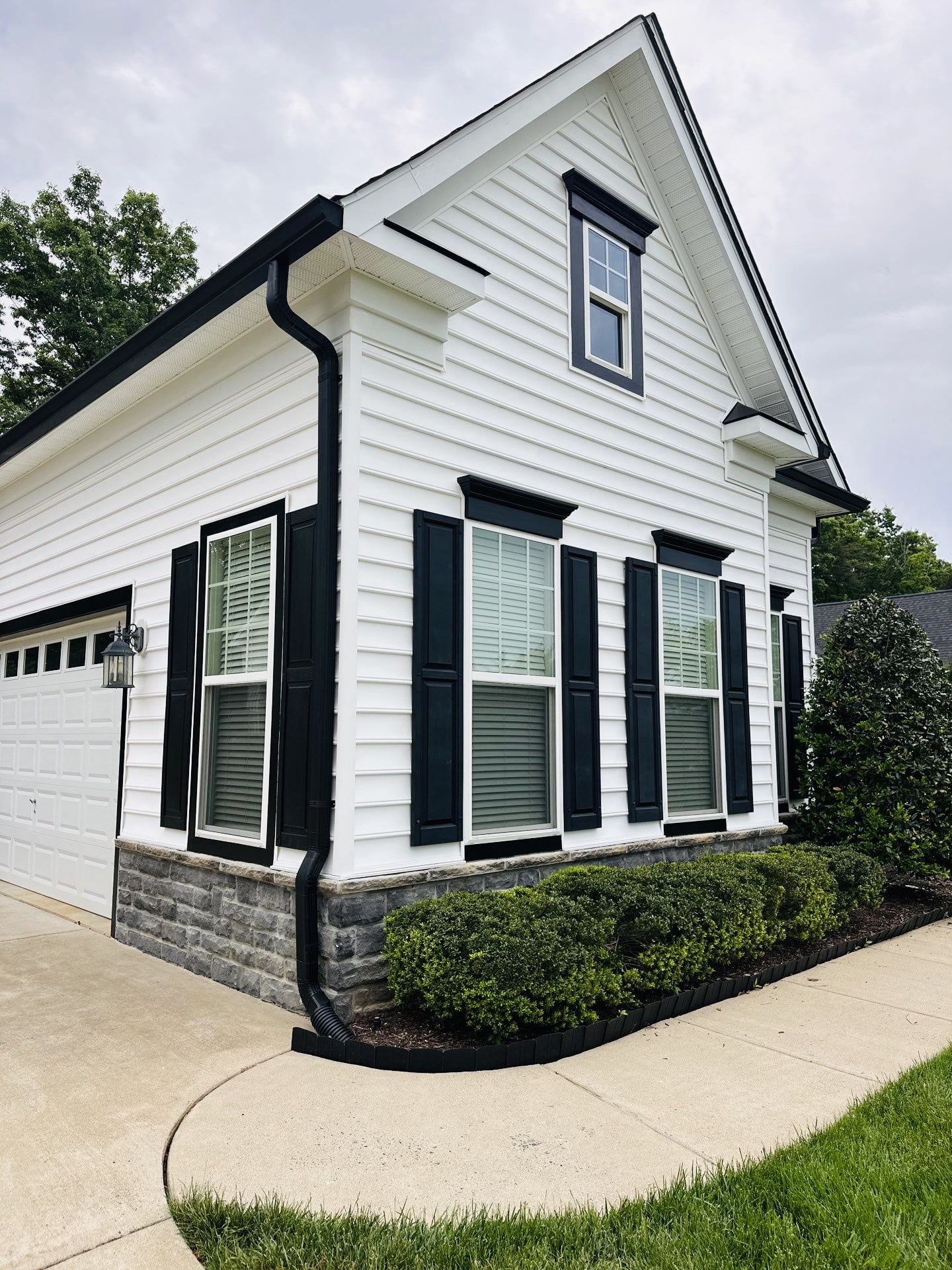
Why Virginia Winters Can Be Tough on Exterior Paint
Virginia experiences a wide range of winter weather. Depending on where you live, your home may face freezing temperatures, snow, ice storms, heavy rain, high winds, and repeated freeze-thaw cycles.
While quality exterior paint is designed to withstand harsh conditions, years of winter weather gradually take their toll. Small issues can grow into larger problems if they are not addressed early.
Some of the most common winter-related paint problems include:
These issues may not seem serious at first, but they can eventually expose your siding or trim to water damage.
How Winter Affects Exterior Paint
Understanding how winter affects exterior paint starts with recognizing how different weather conditions interact with your home’s surfaces.
Freeze-thaw cycles
One of the biggest challenges is the freeze-thaw cycle. During the day, temperatures may rise enough for moisture to seep into tiny cracks in the paint. At night, that moisture freezes and expands.
Over time, this repeated expansion and contraction cause paint to:
The process repeats throughout the winter, gradually weakening the paint system.
Moisture damage
Rain, snow, and melting ice all introduce moisture to your home’s exterior.
If paint has already begun to fail, water can penetrate beneath the surface. This may lead to:
Keeping moisture out is one of the primary jobs of exterior paint.
UV exposure doesn’t stop in winter
Many homeowners associate sun damage with summer, but ultraviolet rays remain active throughout the year.
Even during cold weather, UV exposure slowly breaks down paint pigments and binders. As a result, paint may begin to fade or lose its protective qualities.
South-facing walls often show the earliest signs of weathering because they receive the most sunlight.
Temperature swings
Virginia winters often include dramatic temperature changes.
Materials like wood, fiber cement, and vinyl expand and contract as temperatures fluctuate. Exterior paint must move with these materials.
As paint ages, it becomes less flexible, increasing the likelihood of cracking.
Signs Your Home May Need Repainting After Winter
Winter damage is not always obvious from the street.
Walk around your home and look for these warning signs:
Finding one or two of these issues does not always mean your home needs a full repaint. However, widespread deterioration usually indicates that your paint is nearing the end of its service life.
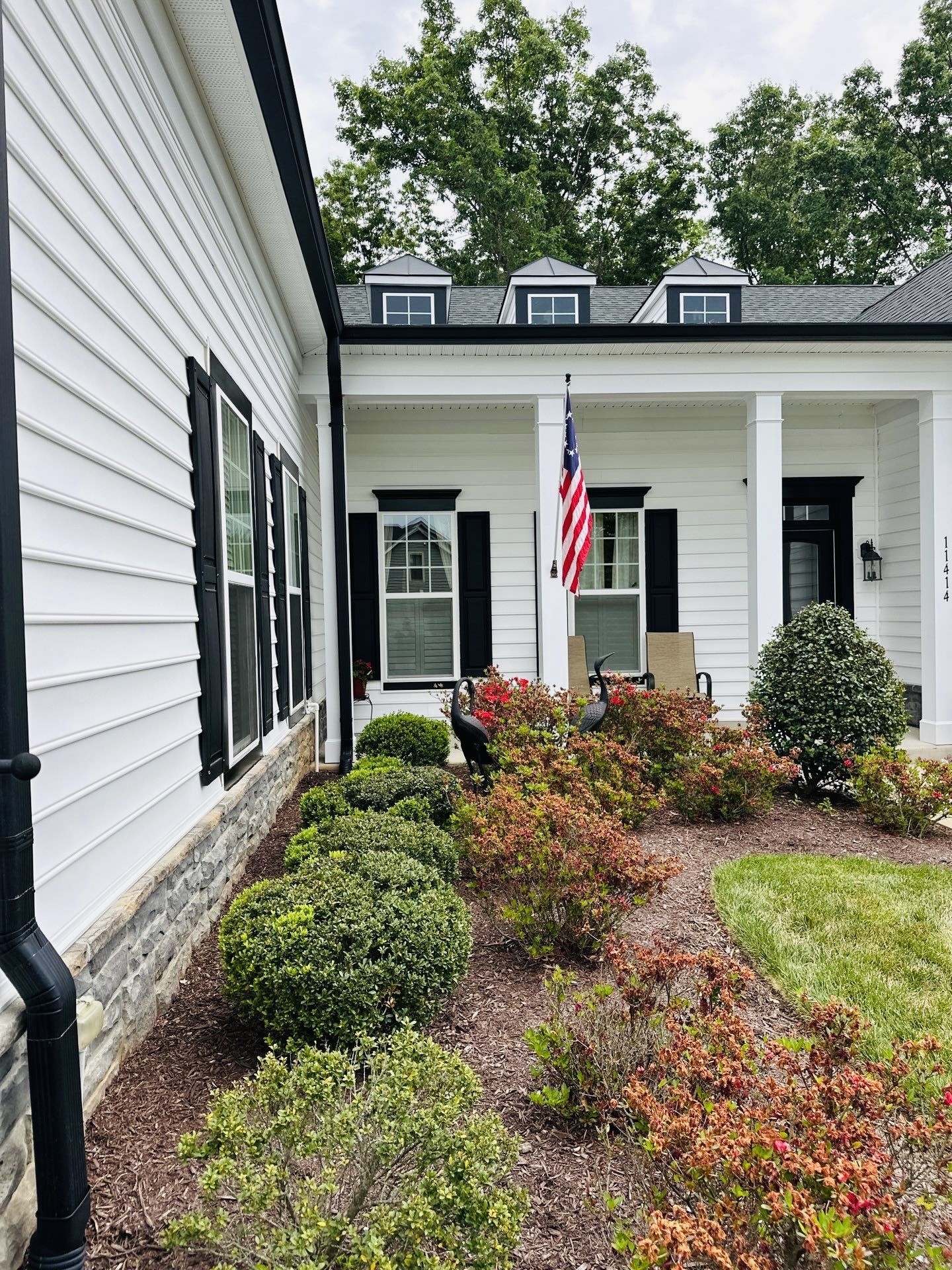
The Best Time to Paint a House in Virginia
If you’re wondering about the best time to paint a house in Virginia, timing plays an important role in the quality and longevity of the finished project.
Most professional painters recommend scheduling exterior painting when temperatures remain consistently within the paint manufacturer’s recommended range.
Generally speaking:
Spring
Spring offers moderate temperatures and lower humidity after winter has passed. Many homeowners schedule painting projects during this season before the summer heat arrives.
Early summer
Early summer can also provide excellent painting conditions when temperatures are warm but not excessively hot.
Fall
Fall is another popular choice because cooler temperatures and lower humidity allow paint to cure properly.
The exact timing depends on local weather conditions and the products being used.
Why Waiting Too Long Can Cost More
Paint problems rarely improve on their own.
What begins as a small crack may eventually allow moisture behind the siding or trim.
Delaying repainting may lead to:
Addressing paint issues early often saves money over the long term.
How to Extend the Life of Your Exterior Paint
You can help protect your home’s finish by following a few simple maintenance practices.
- Wash the exterior. Removing dirt, pollen, mildew, and debris reduces wear on painted surfaces.
- Clean gutters. Overflowing gutters can direct water onto siding and trim, increasing the risk of paint failure.
- Trim trees and shrubs. Branches rubbing against your home can damage paint while trapping moisture against the surface.
- Inspect caulking. Replacing cracked or missing caulk helps keep moisture out of vulnerable areas.
- Schedule regular inspections. A yearly inspection can identify minor issues before they become expensive repairs.
Why Professional Preparation Matters
Even the highest-quality paint cannot perform well if the surface underneath is not properly prepared.
Professional preparation often includes:
Proper preparation creates a stronger bond between the paint and your home’s exterior, helping the finish last longer.
Choosing the Right Exterior Paint
Not all exterior paints perform the same in Virginia’s climate.
A professional painting contractor can recommend products designed to resist:
Choosing quality materials often results in longer-lasting protection and fewer maintenance issues.
Why Homeowners Trust Professional Painters
Exterior painting involves much more than applying a fresh coat of paint.
Experienced professionals understand:
Their knowledge helps ensure your investment delivers years of protection and curb appeal.
Frequently Asked Questions
Can winter permanently damage exterior paint?
Winter itself does not instantly ruin exterior paint, but repeated exposure to moisture, freezing temperatures, and UV rays gradually weakens the finish over time.
Should I repaint immediately after winter?
Not necessarily. Start with a professional inspection to determine whether spot repairs or a full repaint are the better option.
How long does exterior paint usually last in Virginia?
The lifespan varies depending on the surface, paint quality, weather exposure, and maintenance. Many homes benefit from repainting every several years, although premium products and proper preparation can extend that timeline.
Can damaged paint lead to bigger problems?
Yes. Once paint fails, moisture can reach the underlying materials, increasing the risk of rot, mold, and costly repairs.
Protect Your Home Before Small Problems Become Big Ones
Virginia winters can be hard on exterior paint, but they don’t have to shorten the life of your home when problems are caught early. Regular inspections, timely maintenance, and quality repainting can help preserve your home’s appearance while protecting it from moisture and weather damage.
If you’re concerned about winter wear or wondering whether it’s time for a fresh coat of paint, contact Medias Painting LLC today. Our experienced team can evaluate your home’s exterior, recommend the right solution, and deliver long-lasting results that stand up to Virginia’s changing seasons. Call 540-210-1363 to schedule your consultation and keep your home looking its best for years to come.