
If you’ve been wondering “should I paint or stain my fence?” you’re not alone. Many homeowners in Prince William, VA face this decision once their fence starts looking weathered or when they install a brand-new one. With all the moisture, rain, and shifting climates we deal with, the choice you make has a big impact on how your fence looks and how long it lasts.
Both paint and stain can protect wood, but they act differently. The best choice depends on your goals, whether that’s style, easier maintenance, or durability. Let’s break it down step by step so you know what will work best for your fence.
Paint or Stain My Fence: Overview
| Paint | Stain | |
|---|---|---|
| Look | Solid color; hides wood grain | Shows natural wood grain and texture |
| Longevity | 5–6 years per coat | 3–4 years per coat |
| Maintenance | Scraping, sanding, primer needed | Easier; pressure wash then re-stain |
| Moisture protection | Surface barrier; may peel if water seeps under | Penetrates wood; resists water from within |
| Cost over time | Lower upfront; higher prep cost | Slightly higher upfront; easier upkeep |
| Best for | Bold colors; matching home’s exterior | Natural look; humid or rainy climates |
Longevity and Wear
Durability is one of the biggest questions homeowners ask about fences.
Paint usually lasts around 5–6 years before it starts to fail. Stain typically needs to be reapplied after 3–4 years. On the surface, paint seems like the longer-lasting choice. But the way each finish breaks down is different:
- Paint tends to peel, blister, or crack when it starts wearing out.
- Stain fades gradually and often still looks natural even as it ages.
In Prince William, where humidity and heavy rainfall are common, stain often performs better since it penetrates the wood grain and helps repel water. Paint creates a barrier on top that works well until cracks form, at which point moisture can get trapped.
Hiring professionals who handle deck staining and exterior painting ensures the finish matches your fence and climate.
Upkeep and Maintenance
No matter which option you pick, fences require care over time. The difference is in how much prep work goes into each one.
- Painted fences often need more effort between coats. Flaking sections must be scraped off, rough areas smoothed with sandpaper, and primer applied before repainting.
- Stained fences are easier to refresh. Most of the time, pressure washing is enough to prepare the surface for a new coat. Since stain soaks into the wood, you won’t have to deal with peeling or chipping.
If your fence has mildew, mold, or heavy wear, professionals may pressure wash and repair boards before applying stain or paint. That prep keeps your fence looking fresh and protects it against water damage.
What Type of Wood Do You Have?
The lumber your fence is built from plays a significant role in your decision.
- Cedar: Doesn’t work well with paint. Stain or oil-based treatments are the better option.
- Pressure-treated wood: Accepts both paint and stain, but only once it’s thoroughly dried. Applying too soon can trap water.
- Rough-sawn wood: Looks best with a stain or an oil treatment. Painting it requires sanding the entire surface to a smooth finish.
Your fence’s wood grain, moisture content, and age should always be evaluated before choosing a finish. Professionals look at these factors before recommending the right product.
Color and Style
The way your fence looks is just as important as how long it lasts.
Paint offers endless color options. You can match your siding, trim, or create a bold accent in your yard. A white picket fence, a deep navy, or even a modern charcoal finish are all possible with paint.
Stain enhances the natural wood grain. It comes in a variety of shades, clear, brown, red, gray, or even solid colors that mimic paint. The difference is that stain highlights the wood’s natural texture rather than covering it up.
If you want your fence to blend into your landscape, stain is usually the way to go. If you’d rather make it stand out or coordinate it with an exterior painting project on your house, paint may be the better choice.
Comparing Costs
Cost is always part of the decision, and many homeowners think stain must be more expensive. The reality is, both options even out over time.
- Paint is cheaper per gallon, but it requires primer and usually more coats.
- Stain may cost more upfront, but you’ll need less product since it penetrates the wood.
Paint lasts longer between applications, but re-coating takes more labor. Stain requires reapplication sooner, but the process is more straightforward. Either way, both protect against rain, mold, and daily wear when applied correctly.
Application Differences
How the project gets done is another big difference.
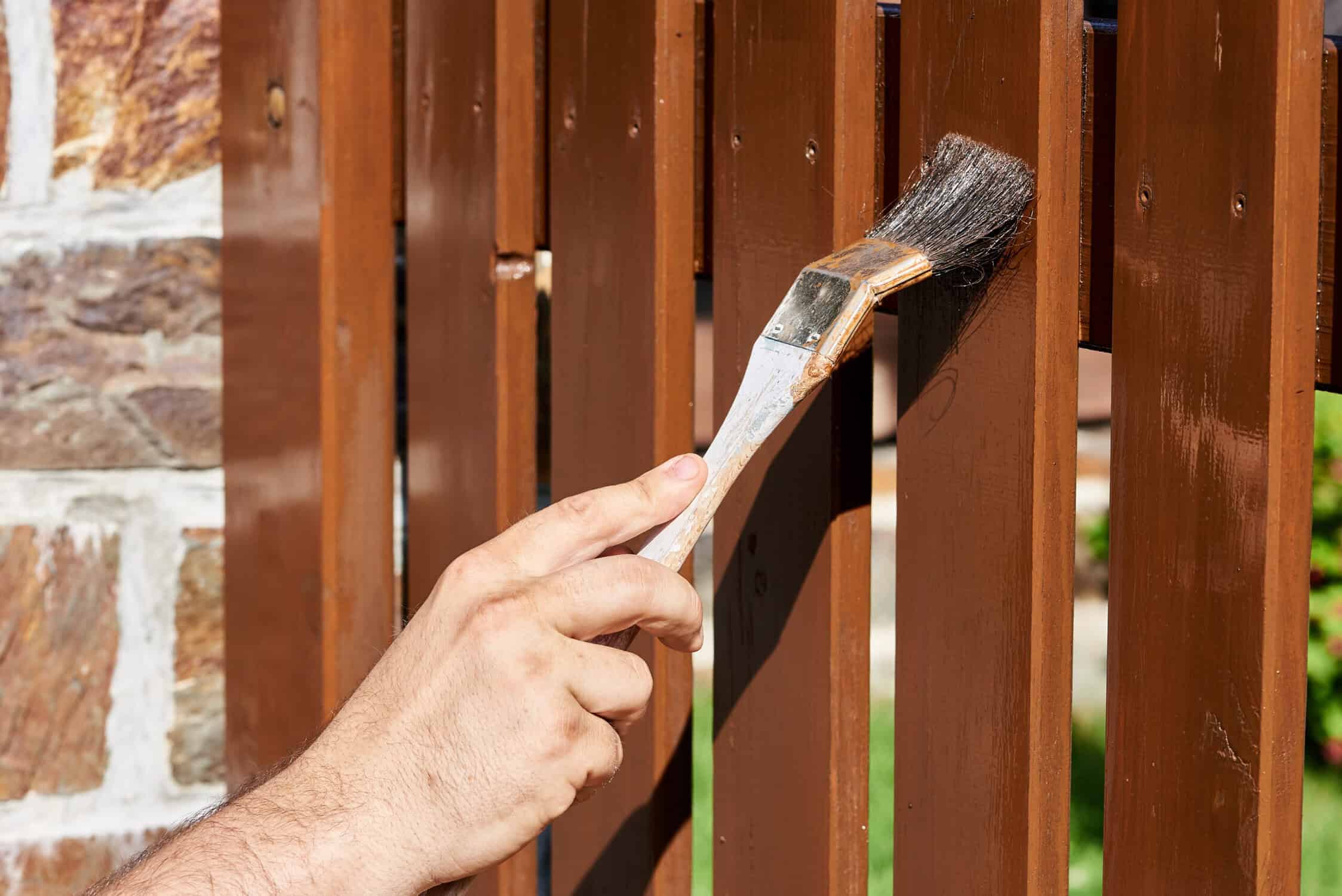
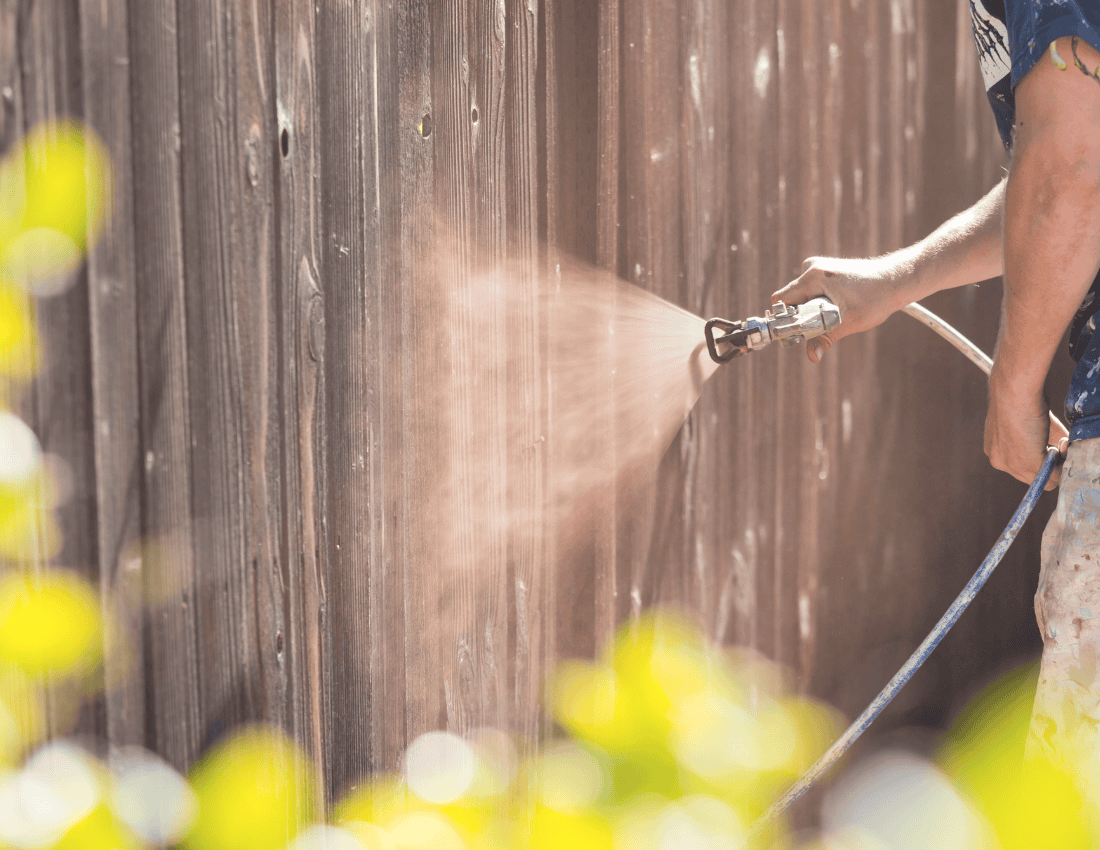
- Stain can be brushed, rolled, or sprayed on. It’s more forgiving, since drips and uneven coverage blend as the wood absorbs the product.
- Paint requires more prep sanding, priming, and then careful application with a brush, roller, or sprayer. It creates a thicker surface coating.
Most professional projects start with pressure washing and small repairs. That’s the same attention to detail we bring when handling a home’s exterior with our expert painting services. Without that prep, even the best stain or paint won’t last.
Protecting Against Moisture
Moisture is the number one threat to wood fences. Rain, sprinklers, and morning dew all soak into lumber, causing swelling, cracking, or mold.
Paint creates a strong surface barrier but can peel if water sneaks underneath. Stain penetrates the wood grain, resisting moisture from within. For maximum protection, a clear sealant can be added on top of the stain, especially in the humid Prince William’s climate.
If your fence is constantly exposed to water, staining often makes more sense. Paint works better if you’re tying the fence color into trim, siding, or other features of your home.
Fences, Decks, and Outdoor Spaces
The same issues apply to other outdoor wood surfaces, decks, pergolas, and furniture all deal with moisture and weather damage. Many homeowners choose to stain or paint their fence and deck together for a consistent look.
That’s why experienced deck painters in Prince William, VA often note that the prep and application process is nearly identical for both fences and decks. Clean, repair, then stain or paint with the right product.
If your fence is showing gray weathering, peeling, or heavy wear, it’s time for the same treatment you’d give to staining other outdoor wood features.
Wrapping It Up
So, should you paint or stain your fence?
- Paint gives you more color choices and can last longer between applications.
- Stain shows off the natural beauty of the wood and is easier to maintain.
- Both protect against water, mildew, and everyday wear.
We help homeowners choose the right finish based on their goals, wood type, and local climate. Our proven process ensures your fence not only looks great but also holds up for years to come.
Here’s how we work:
- Pressure washing and sanding to clean the surface
- Repairing damaged boards, pickets, or posts
- Applying primer or stain based on the finish you choose
- Using trusted brands like Behr for durability and color quality
- Sharing maintenance tips to extend the lifespan of your fence
Ready to refresh your fence? Call Medias Painting LLC today at 540-210-1363″>540-210-1363 for a FREE estimate. We proudly serve Caroline, Louisa, Triangle, VA, and the surrounding areas.